
Introduction
Nissan Sentra has evolved into its ninth generation with the 2026 model year, bringing a bold new design, more tech, and enhanced features. In this blog, I’ll walk you through everything: design changes, specs, expected pricing, where it will be sold, history, and personal thoughts from what I’ve observed so far.
Table of Contents
A Brief History of the Sentra Line
The Nissan Sentra has been around for decades, serving as one of Nissan’s dependable compact sedans. Over time, it has competed with the likes of Toyota Corolla, Honda Civic, and other compact cars. With the 2026 model, Nissan is pushing harder to make the Sentra more desirable, not just dependable.
Reveal & Design Overhaul
The 2026 Nissan Sentra was revealed publicly on September 23, 2025 as the ninth generation of this model. The redesign is dramatic yet retains the heart of what made the Sentra successful.
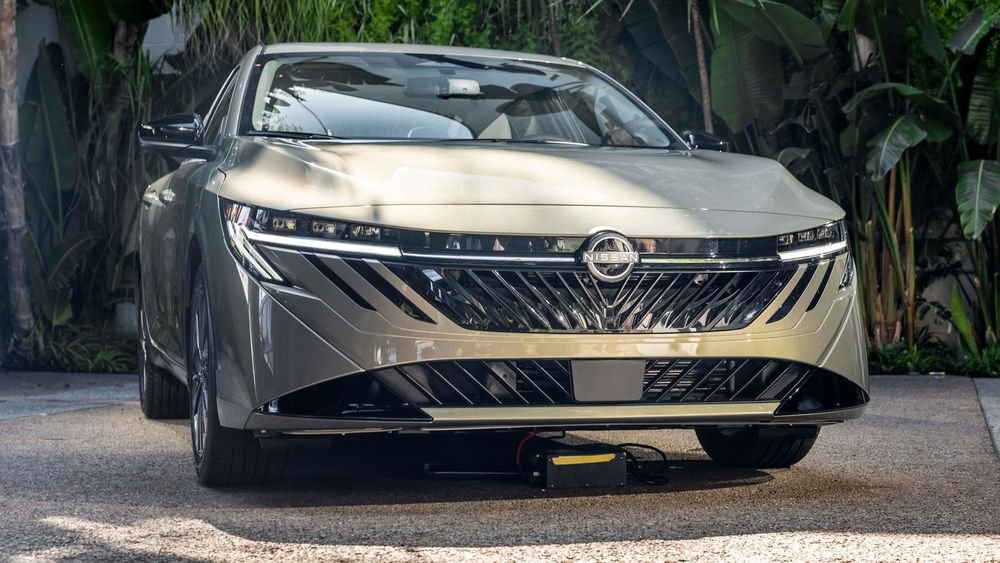
While earlier spy shots hinted that it might grow much larger, the actual changes are subtler. The overall length nudged from ~182.7 inches to 183.3 inches, while the wheelbase is actually slightly shorter—106.5 inches vs 106.8 inches. A key goal: improve aerodynamics, add sharper styling, bring it more in line with Nissan’s current design language (as seen on the Murano, Leaf, etc.).
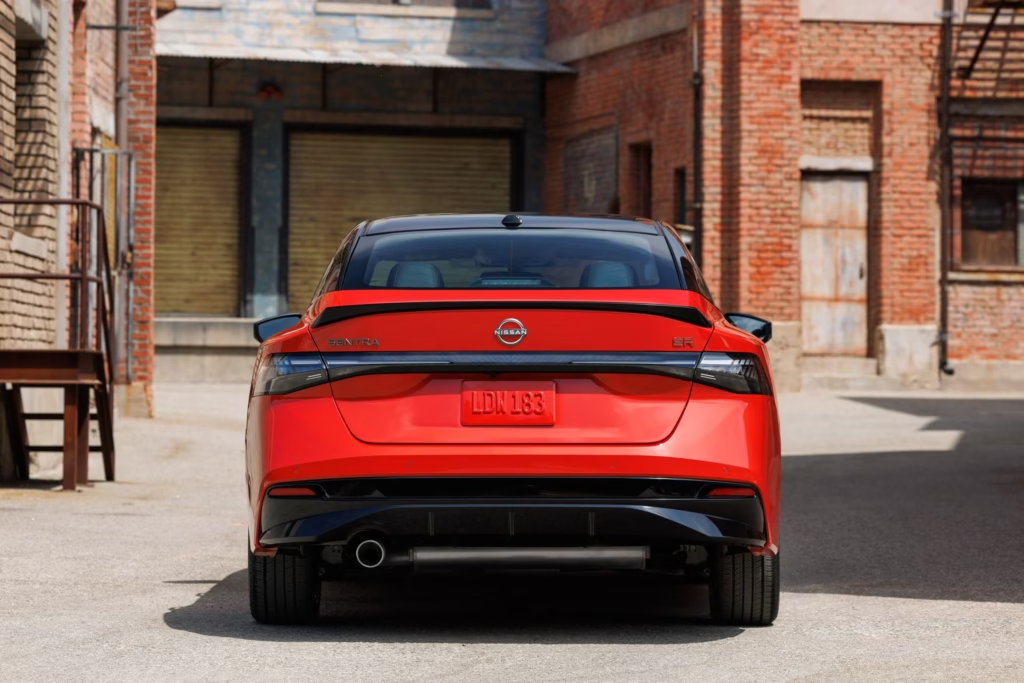
At the front, the grille and headlights are now more integrated, with a sleeker lighting signature. From the sides, a rising character line and more sculpted surfaces lend a dynamic look. The SR trim gets sporty touches: blacked-out trim, spoiler, side skirts, 18-inch two-tone wheels, and a floating roof effect.
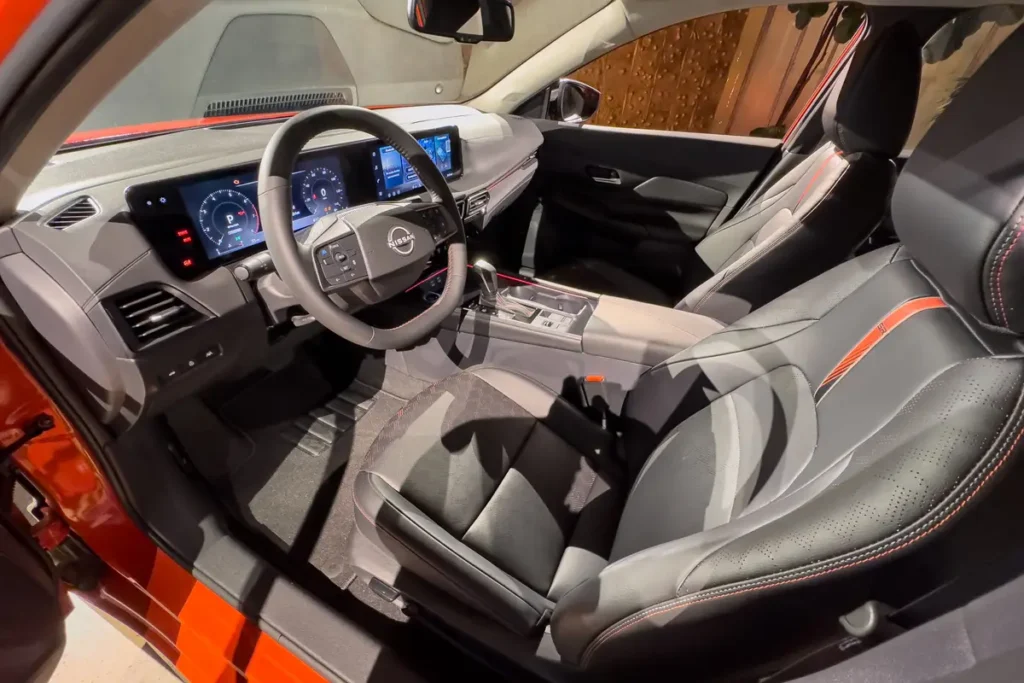
Inside, Nissan has upgraded materials, swapped in new technology, and improved ergonomics.
Specs & Powertrain
One thing that hasn’t changed: the engine. The 2026 Nissan Sentra continues with a 2.0-liter naturally aspirated four-cylinder engine making 149 horsepower and 146 lb-ft of torque. This engine is paired with a continuously variable transmission (CVT), though Nissan claims the CVT has been retuned to feel smoother and more responsive.
For performance tweaks, Nissan is reinforcing the body structure, claiming about 6% more stiffness vs the outgoing model. They’ve also adjusted damper tuning, added dynamic dampers for steering, and refined the aero behaviour (smaller wheel cutouts, tyre deflectors, etc.) to reduce noise and improve ride.
Under the hood, the outgoing engine is familiar, but the driving feel is expected to improve.
Features & Technology
The 2026 Sentra brings several upgrades in tech and features that push it ahead of its prior iterations:
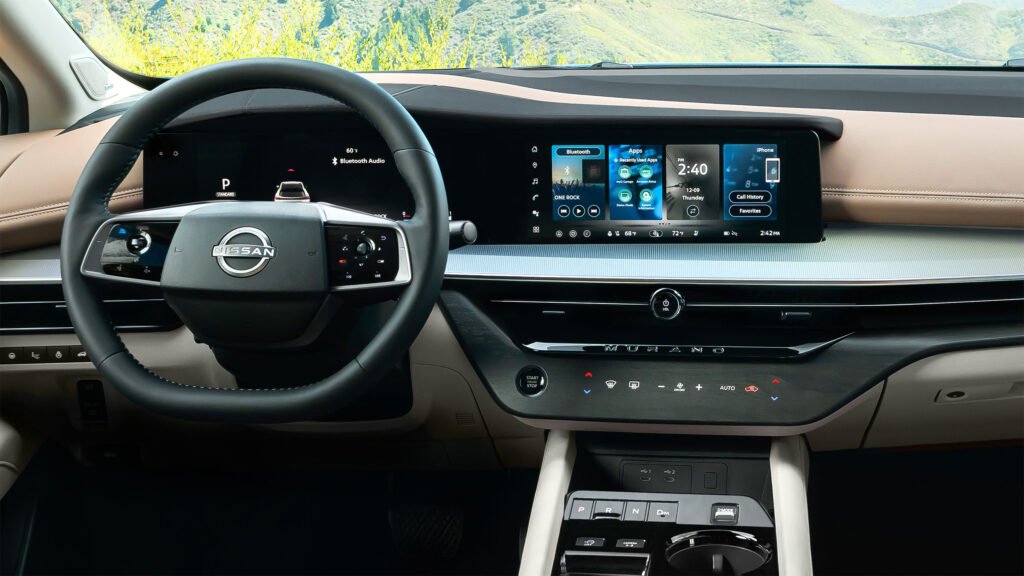
- Dual 12.3-inch displays (infotainment + digital instrument cluster) are now standard on most trims. The base trim retains a 7.0-inch driver display.
- Wireless Apple CarPlay and Android Auto for SV, SR, SL trims; base S has wired connection.
- Touch-based controls, haptic climate controls, and capacitive UI elements in place of traditional buttons in some trims.
- Zero Gravity seats, a Nissan interior feature for comfort, are introduced or highlighted.
- ProPILOT Assist (adaptive cruise + lane centering) is made available in certain trims.
- Safety & driver aids like automatic emergency braking, blind-spot warning, lane departure intervention, 360° camera system (on some trims), intelligent blind spot intervention, rear cross-traffic alert, and more.
- Interior upgrades: soft-touch materials, ambient lighting, USB-C ports, wireless charging, improved insulation to reduce road noise.
In trims like SR and SL, you’ll find more sporty styling cues and added luxury touches to differentiate from base models.
Trim Levels, Exterior & Styling
For the 2026 line, Nissan offers four main trims: S, SV, SR, SL. Each trim has unique exterior accents and feature sets.
The SR trim is the sporty variant: blacked-out parts, two-tone color options, aerodynamic kits, spoiler, and aggressive wheels. Other trims (S, SV, SL) adopt more elegant styling—body colored grilles, smoother lines, and less aggressive touches.
Lighting is now more integrated: slim LED headlights merge visually into grille elements. Rear LED lighting is wide and sleek, matching the front’s design flow.
Even though the silhouette is somewhat fastback-like, the Sentra still retains a conventional sedan trunk opening. The trunk opening is made 50 mm wider than the previous model for better usability.
From a styling standpoint, the shift is clear: Nissan wants the Sentra to look sharper, more modern, and competitive in a crowded compact sedan segment.
Pricing & Market Launch
Official pricing for the 2026 Nissan Sentra hasn’t been fully confirmed yet. For reference, the outgoing 2025 model in the U.S. starts around $22,730 for base trims. With the added features and redesign, many expect the 2026 base price to creep upward—perhaps into the $25,000 range.
The Sentra’s global production and sales will likely follow Nissan’s existing networks. In the U.S., the 2026 Sentra is listed as “Coming Late 2025.” The 2026 Sentra page on Nissan USA asserts bold design, smarter tech, and that the car is being set as “the new standard.”
Nissan’s build-and-price tool already shows current Sentra models, giving a hint at how Nissan manages configuration and pricing.
Given Nissan’s global footprint, markets like Canada, Mexico, and certain Asian countries should see versions of the 2026 Sentra; though specifications (features, trims) may vary depending on regional regulations and demand.
Strengths, Challenges & What to Watch
Strengths
- Bold design push – The new styling helps Sentra stand out in a segment where many sedans look bland.
- Technology upgrades – Dual big screens, wireless connectivity, upgraded safety features.
- Familiar, proven powertrain – While not cutting edge, the 2.0L engine is reliable and costs are easier to manage than adopting unproven hybrid or electric setups.
- Better structural rigidity and comfort upgrades should improve ride feel and noise isolation.
Challenges
- Performance stagnation – The engine remains the same, which may disappoint those expecting more power.
- Transmission choice – CVT, though improved, can never fully match a traditional automatic or manual for driving feel.
- Segment pressure – Rivals are offering hybrids, turbocharged engines, or sportier variants; Sentra must justify its value.
- Pricing sensitivity – If the price climbs too much, buyers may go to rivals.
What I’ll watch: whether Nissan introduces a more powerful variant (turbo, hybrid) in certain markets, how the Sentra’s fuel economy compares in real-world use, and how buyers respond to the design shift.
Internal & Outbound Links
If you like reading about performance bikes and cars, you might enjoy this:
👉 [BMW R1300 GS & F900GS Review]
To see official details and concept of the new Sentra, check Nissan’s official U.S. page:
👉 Nissan USA – 2026 Sentra Nissan USA
My Take & Expectations
From what I’ve gathered, Nissan Sentra 2026 is less about revolution and more about finishing touches—with design, tech, and refinement. It may not excite the performance buffs, but for everyday drivers who want style, features, and reliability, it looks like a strong choice.
In the compact sedan space, many models struggle to stay relevant. The Sentra’s redesign feels like a smart move—give it flair, pack it with modern features, make it feel premium without insane costs. If Nissan plays its cards well (especially in pricing), the new Sentra could recapture attention in the sedan market.