
Introduction
The electric car history is more interesting than most people think. Many believe that electric cars are a new invention, but the truth is that they’ve been around for more than a century. In this blog, I’ll walk you through how electric car history started, who built the first one, when it was made, and how the industry grew to what it is today. I’ve always been curious about how these vehicles came to life, and after digging into the electric car history, I was surprised by what I found.
Let’s go step by step and understand how the idea of EVs was born and how it changed the world.
Table of Contents
1. When Did Electric Cars Start?
The story of electric cars history begins in the early 1800s. At that time, inventors around the world were experimenting with different ways to power vehicles. Steam engines were common, but they were heavy and slow. So, inventors started looking for cleaner and simpler power sources.
In 1828, Ányos Jedlik, a Hungarian engineer, built a small model car powered by an electric motor. A few years later, inventors in the U.S., the Netherlands, and the U.K. began building their own electric-powered vehicles.This growth in electric car history was fueled by advancements in technology and societal demand for sustainability.
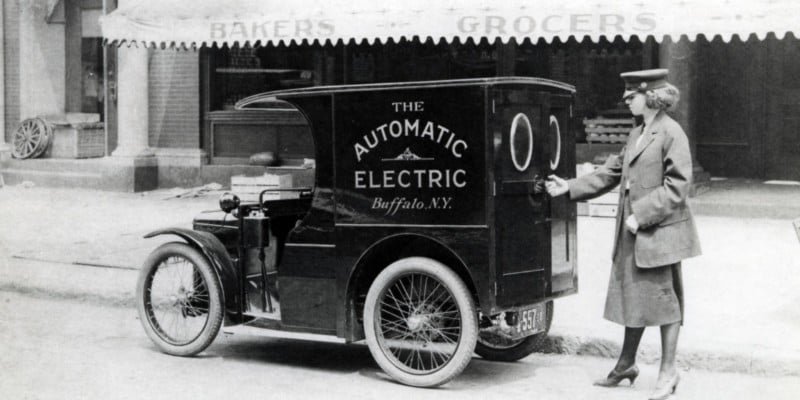
By the late 1800s, electric cars were not just a concept. They were real vehicles running on the streets of London and New York.
2. Who Made the First Electric Car?
There isn’t just one inventor because many worked on similar ideas around the same time.
But the first practical electric car was built by Thomas Davenport in 1834 in the U.S. He used a small electric motor to move a car on a short track.
Later, in 1879, William Morrison, a chemist from Iowa, made a real electric vehicle that could carry passengers. It looked more like a carriage than a car, but it was the first step toward modern EVs. This period marked significant advancements in electric car history, setting the foundation for modern electric vehicles.
So if you ask, “Who built the first electric car?”, the answer depends on how you define “car.” But William Morrison’s model is often called the first American electric car.
3. The Rise of Electric Cars in the 1900s
By 1900, electric cars became very popular, especially in cities. They were clean, easy to drive, and didn’t need hand-cranking like gasoline cars. In New York City, almost one-third of cars were electric.
Even famous inventors like Thomas Edison worked on improving electric batteries for these vehicles.
During this time, companies like Baker Electric, Detroit Electric, and Columbia became well-known. Wealthy people preferred electric cars because they were quiet and didn’t produce smoke.
4. Why Did Electric Cars Disappear?
So, what went wrong?
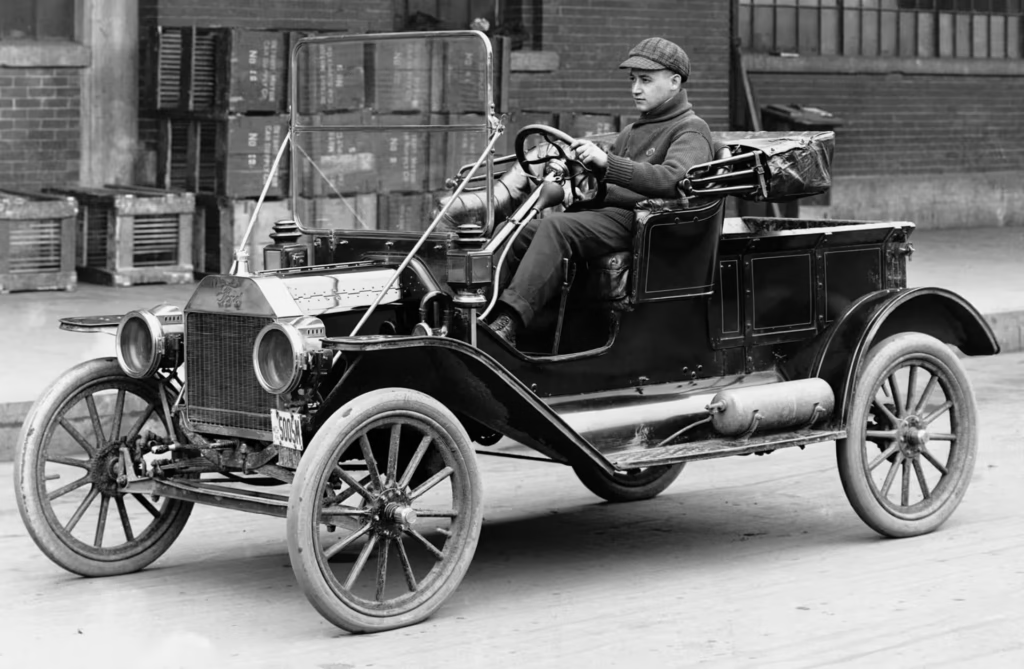
The main reason electric cars faded was the rise of gasoline cars. In 1908, Henry Ford launched the Model T, a petrol car that was cheap and easy to produce. Gasoline became affordable, and gas stations started appearing everywhere.
Meanwhile, electric cars were expensive, slow, and couldn’t go very far. People wanted speed and long-distance travel. By the 1920s, gasoline cars dominated the roads, and electric cars almost vanished.Tesla’s role in electric car history cannot be overstated as it redefined consumer expectations for electric vehicles.
5. The Comeback of EVs in the 21st Century
After disappearing for decades, electric cars made a strong comeback in the 2000s. The world was facing pollution, fuel shortage, and climate change. Governments started supporting clean energy, and companies saw a new opportunity.
The biggest turning point came in 2008, when Tesla Motors launched the Tesla Roadster — a stylish, fast electric sports car that changed public opinion about EVs.
Today, brands like Tesla, BMW, Hyundai, Nissan, and Tata Motors are leading the EV revolution.
You can check Tesla’s official website for their latest electric cars: https://www.tesla.com
6. How Electric Cars Work
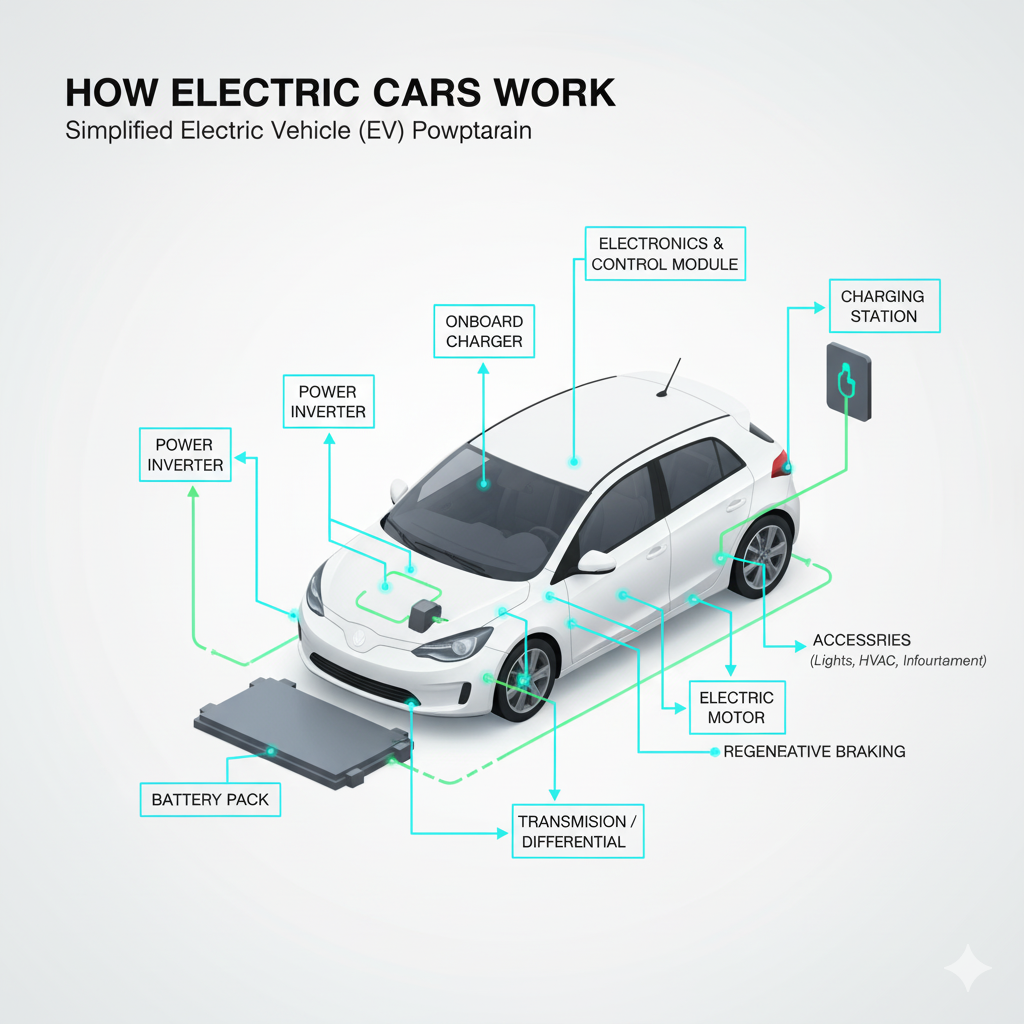
Unlike petrol cars that use an engine, EVs use electric motors powered by rechargeable batteries. When you plug them in, the battery stores energy. That energy is used to move the motor, which turns the wheels.
EVs have fewer moving parts, so they need less maintenance. They’re also very quiet and don’t release harmful smoke.
7. Major EV Milestones
Here’s a quick look at key moments in electric car history:
- 1828 – First electric motor model by Ányos Jedlik
- 1834 – Electric car prototype by Thomas Davenport
- 1888 – First electric car sold commercially
- 1900s – Electric cars become popular in cities
- 1920s – Gasoline cars take over
- 1990s – EVs return with government support
- 2008 – Tesla launches Roadster
- 2020s – Global EV boom with advanced technology
8. My Thoughts on EV Growth
I’ve seen a huge change in how people think about cars. Ten years ago, electric cars were rare. Today, almost every company has one. I remember the first time I sat in a Tesla — it felt futuristic, like driving a gadget more than a car.
Yes, the charging infrastructure still needs improvement, but with time, it’s getting better. I truly believe the future is electric.
9. EVs and Cybersecurity Issues
With the rise of technology, cyberattacks have become a real concern. Many modern EVs are connected to the internet for navigation and updates. In 2022, a group of hackers accessed some Tesla features remotely, highlighting the need for better cybersecurity.
Car companies are now investing heavily in cyber protection to keep vehicles safe from hackers. If you want to explore how performance cars are modified, check out this Brabus car modifications.
It’s important to consider how electric car history has shaped our future with electric mobility.

10. Future of Electric Cars
The future looks bright. Governments around the world are pushing for zero-emission vehicles. By 2035, many countries plan to ban new petrol cars.
Battery technology is improving, charging is getting faster, and prices are dropping. Soon, EVs will be as common as petrol cars.
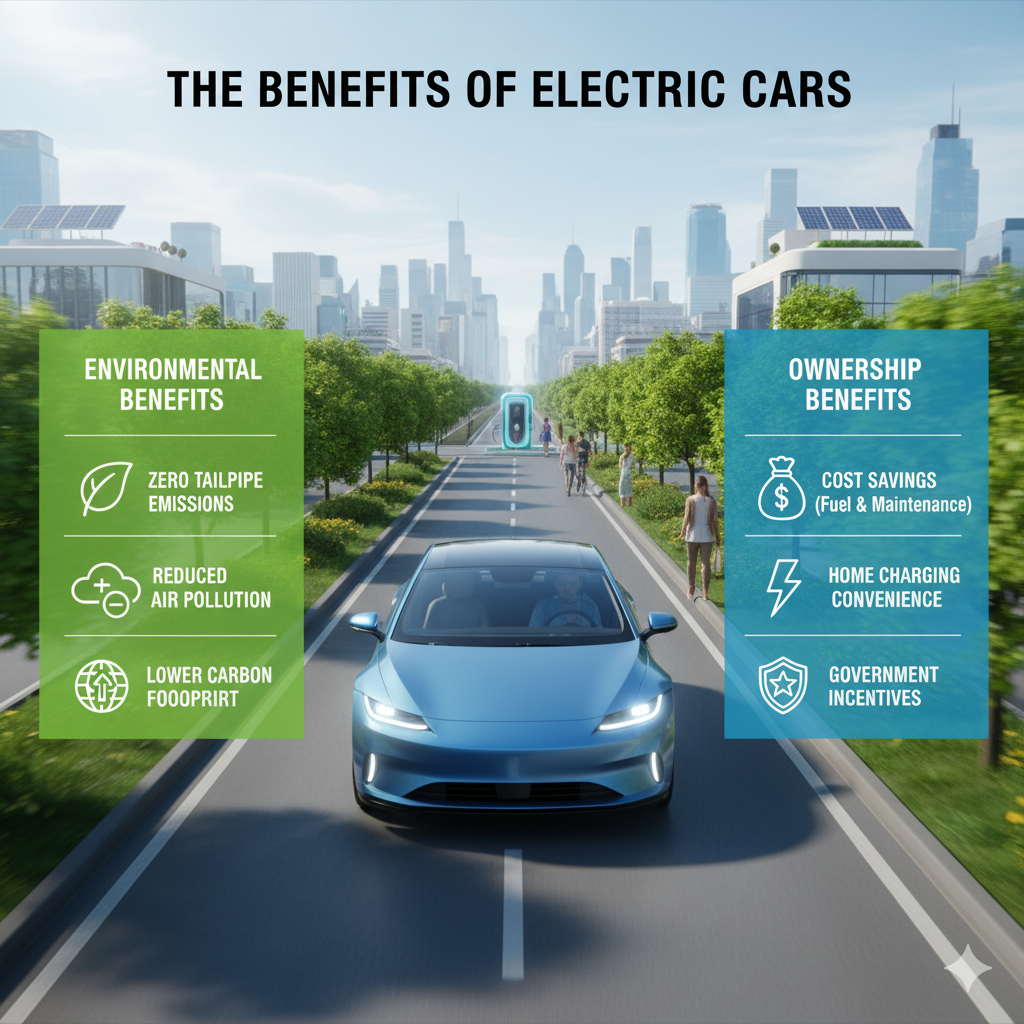
11. Benefits of Electric Cars
It’s important to consider how electric car history has shaped our future with electric mobility.
- Zero tailpipe emissions
- Lower running cost
- Smooth and quiet drive
- Government incentives
- Less maintenance
These benefits are why I personally prefer EVs for daily use.
12. Challenges of Electric Cars
- High upfront price
- Limited charging stations
- Long charging time
- Battery replacement cost
Still, these problems are improving every year.
Conclusion
The electric car history proves that innovation never dies. What started in the 1800s is now leading the world toward a cleaner future. From William Morrison’s early models to Tesla’s modern machines, EVs have come a long way.
The electric car history proves that innovation never dies. What started in the 1800s is now leading the world toward a cleaner future.If you’re planning to buy one, explore brands carefully and check official sites for authentic details.
Electric cars are not just vehicles — they’re the future of mobility.
Despite challenges, the evolution of electric car history indicates a bright future for the automotive industry.The electric car history proves that innovation never dies. What started in the 1800s is now leading the world toward a cleaner future.