
Some cars and bikes are launched with big promises. Others arrive quietly, with no hype, no grand plans, and no idea that they will change history. These are the machines that accidentally became icons. They were not designed to be legends. They were built to do a job. Over time, people connected with them, trusted them, and turned them into symbols of reliability, performance, or pure emotion.
This blog is about those cars and bikes that became iconic without trying.
Table of Contents
What Does “Accidentally Iconic” Really Mean?
An accidentally iconic vehicle is one that was not created to be famous. It did not launch with luxury branding or performance bragging. Instead, it earned respect through real-world use. People drove or rode these machines every day. They survived bad roads, long trips, poor maintenance, and changing trends.
Over the years, stories grew around them. That is how icons are born.
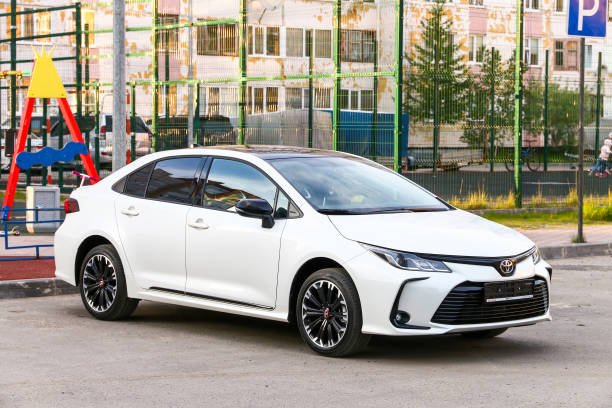
Toyota Corolla: The Car That Refused to Die
When Toyota first introduced the Corolla, the goal was simple. Build a small, affordable, reliable car for families. No one imagined it would become the best-selling car in the world.
The Corolla did not rely on flashy design or powerful engines. It relied on trust. Owners passed it down through generations. Mechanics respected it. Taxi drivers loved it.
What made the Corolla iconic was consistency. It always worked. Even today, people across different countries choose it without thinking twice.
If you want to understand why reliability matters more than hype, this internal read explains it well:
https://updatesnap.com/toyota-corolla-the-worlds-best-selling-car/
Volkswagen Beetle: A Design That Outlived Time
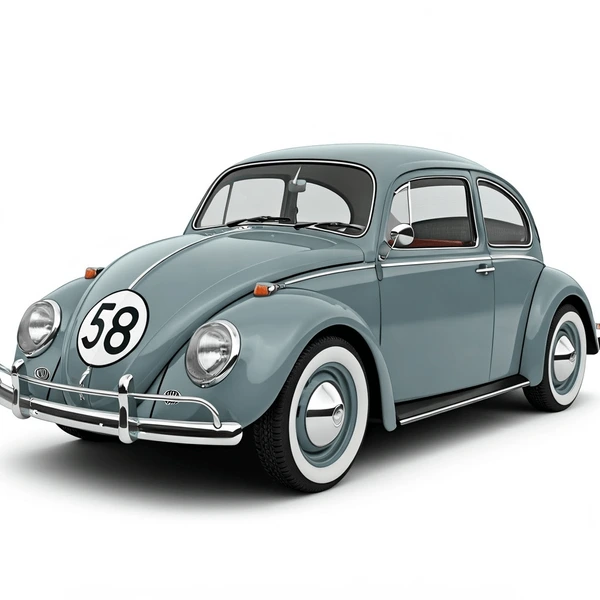
The Volkswagen Beetle was never meant to be stylish. Its design came from function, not fashion. Yet somehow, it became one of the most recognizable cars ever made.
People connected with the Beetle emotionally. It felt friendly. It felt human. Owners named their cars, decorated them, and kept them running for decades.
The Beetle proves that perfection is not always necessary. Character matters more. Volkswagen (official global site — search Beetle if available)
Honda Civic: From Simple Sedan to Global Culture
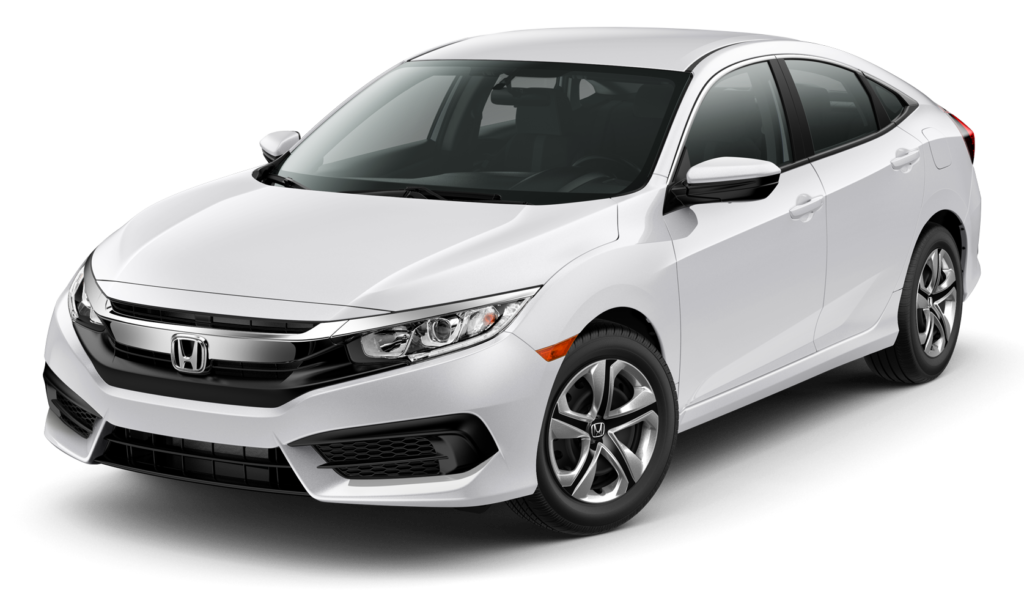
The Honda Civic started as a practical car. Fuel-efficient, affordable, and easy to maintain. Over time, something unexpected happened. Young drivers began modifying it. Racers began tuning it. Families continued buying it.
The Civic became many things at once. Daily driver. Track car. Project car.
That flexibility turned it into a worldwide icon.
Yamaha RX100: A Small Bike With a Big Legacy
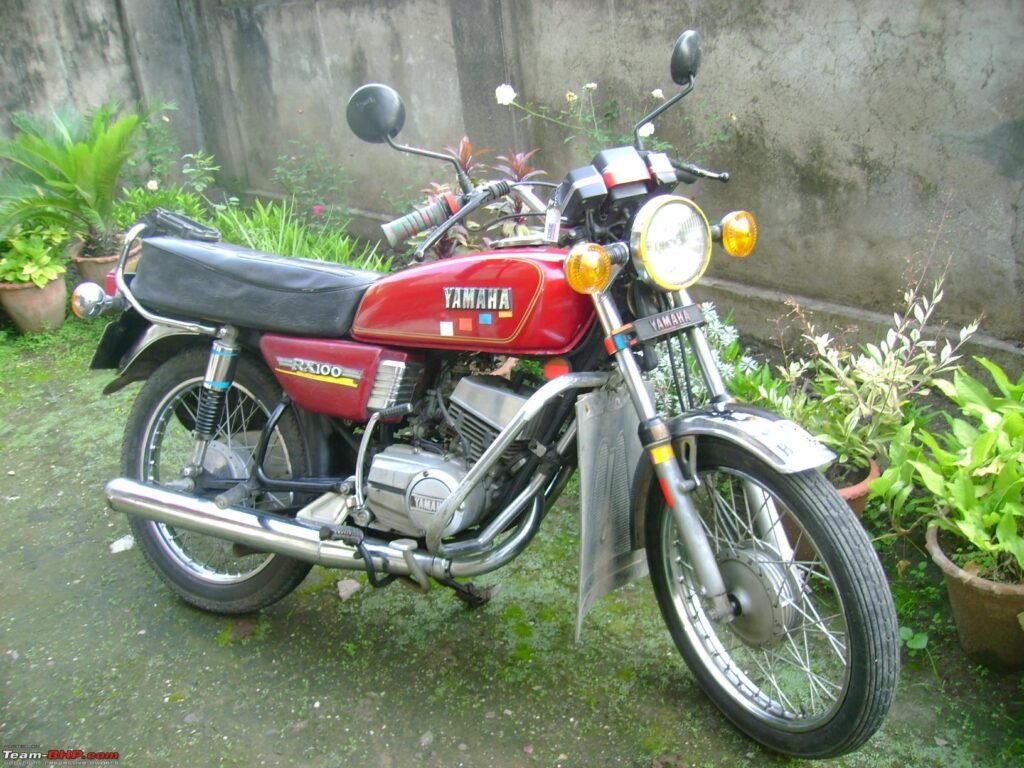
The Yamaha RX100 was just a lightweight motorcycle with a simple engine. It was never marketed as a legend. Yet riders loved the way it sounded, the way it accelerated, and the way it felt alive.
Even today, people search for old RX100 models and restore them. That emotional bond is something marketing money cannot buy.
The RX100 became iconic because it made riders feel something. Yamaha (general official motorcycle site — model pages vary by market)
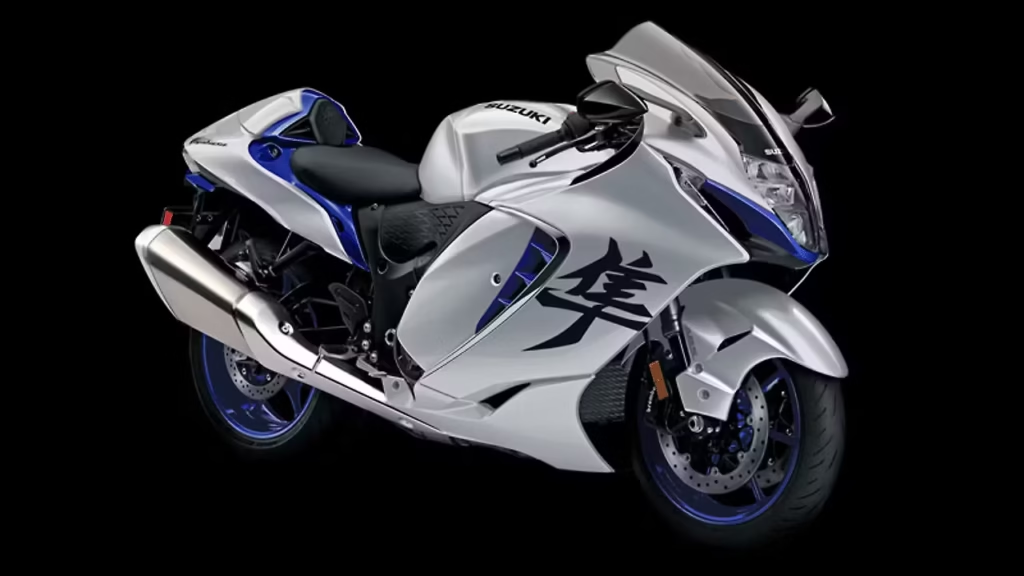
Suzuki Hayabusa: A Speed Record That Changed Everything
The Hayabusa was not created to become a cultural phenomenon. It was built to be fast. When it arrived, it shocked the world.
Its speed forced manufacturers to rethink performance limits. Riders respected it. Governments noticed it. Legends formed around it.
Even riders who never owned one knew its name.
That is accidental iconic status. Suzuki Hayabusa (Suzuki global official product page)
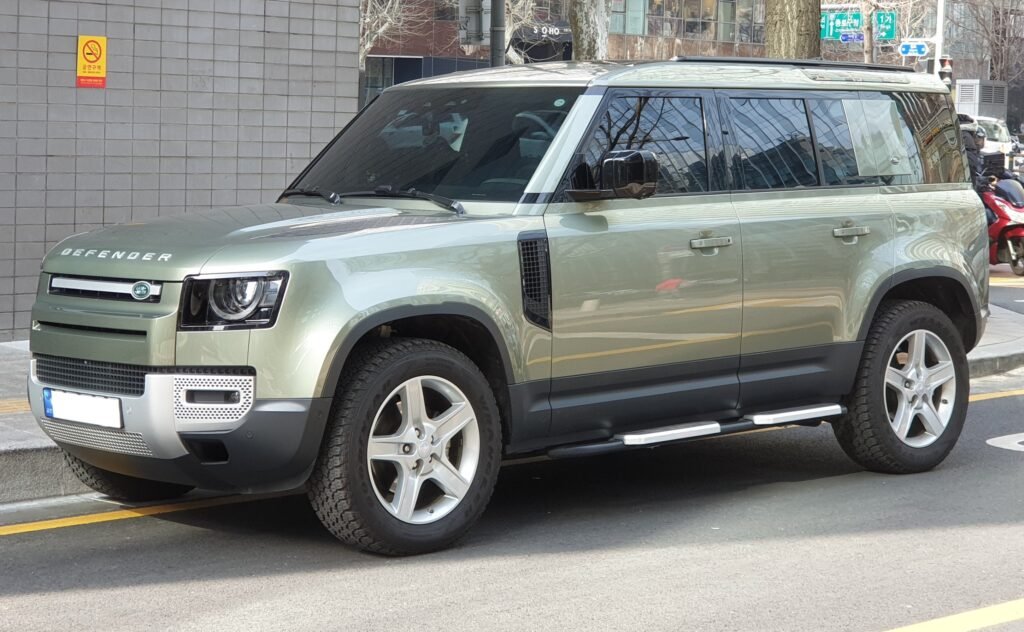
Land Rover Defender: Built for Work, Loved Forever
The original Defender was built for farms, armies, and rough terrain. Comfort was not a priority. Design was not a priority. Survival was.
Over time, adventurers, explorers, and travelers adopted it. It became a symbol of toughness.
When production stopped, people felt emotional loss. That reaction proved how iconic it had become. Land Rover Defender (official Defender page)
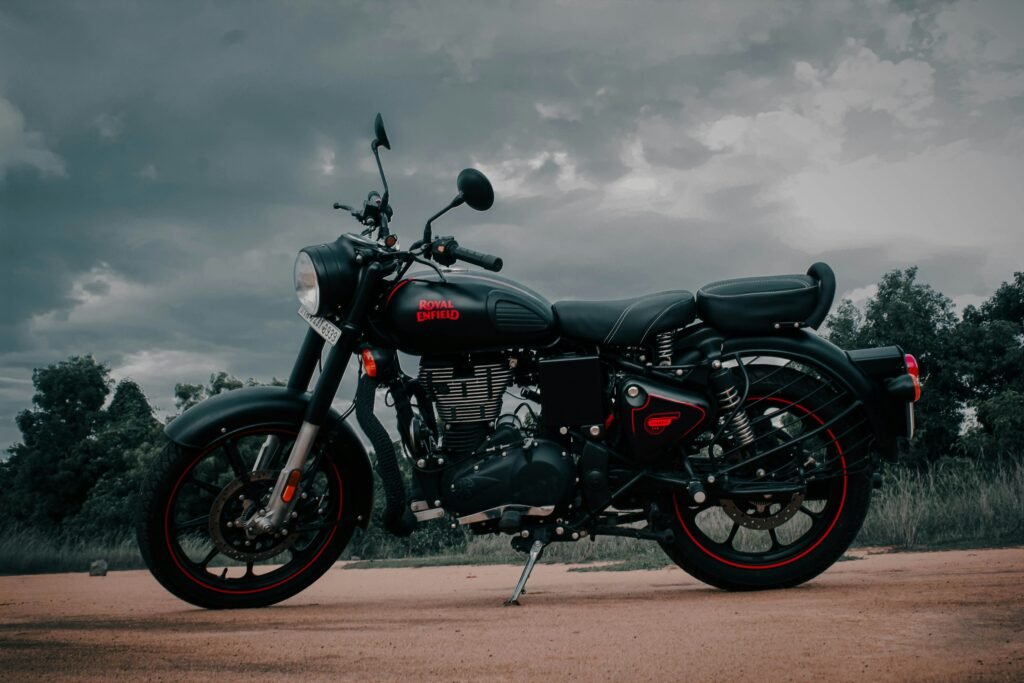
Royal Enfield Bullet: A Motorcycle That Refused to Change
The Royal Enfield Bullet stayed the same for decades while the world moved forward. It vibrated. It leaked oil. It was slow.
Yet people loved it.
The Bullet became a lifestyle. Riders formed clubs. Long-distance rides became traditions.
It became iconic by being stubbornly itself. Royal Enfield Bullet (official motorcycle site)
Why These Vehicles Matter More Than Supercars
Supercars are impressive. But accidentally iconic vehicles tell a deeper story. They reflect real life. They survive traffic, weather, mistakes, and time.
People remember these machines because they were part of daily life, not just dreams.
Common Traits of Accidental Icons
These vehicles share some surprising qualities:
- They were reliable more than exciting
- They were affordable at launch
- They aged well emotionally
- People trusted them blindly
None of them chased fame. Fame followed them.
Modern Cars and Bikes Trying Too Hard
Today, many cars and bikes are designed to go viral. Screens are added. Artificial sounds are created. Everything is planned.
But true icons cannot be planned.
They happen naturally, through years of use and human connection.
Could New Vehicles Become Accidental Icons?
Yes, but it will take time. Only real-world use decides this. Not reviews. Not launch events.
The next accidental icon is probably already on the road, quietly doing its job.
Final Thoughts
Cars and bikes that accidentally became icons remind us why we love machines. Not because they are perfect, but because they become part of our lives.
They carry memories. They tell stories. They stay long after trends fade.
And that is what real icons are made of.